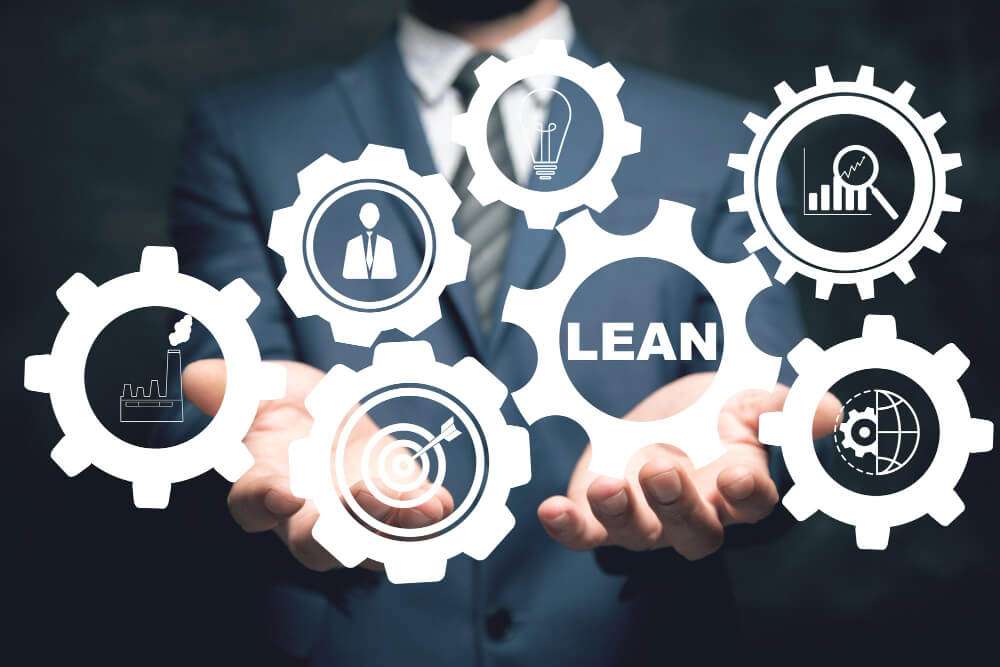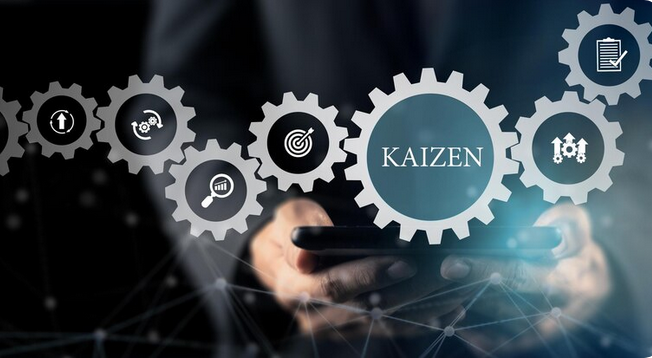
Lean methodology eliminates waste and boosts efficiency. Kaizen leads to continuous improvement. Lean Kaizen is a proven approach to continuously implement much-needed change and get rid of unnecessary waste.
Implementation of Lean and Kaizen focuses on eliminating waste, improving efficiency, and fostering a culture of continuous improvement within an organization. Lean principles aim to streamline processes by removing non-value-added activities, while Kaizen emphasizes small, incremental changes driven by employee involvement at all levels. The implementation process begins with identifying areas for improvement through techniques like value stream mapping and 5S. Employees are encouraged to suggest and test improvements regularly, which cultivates a proactive and engaged workforce. Management support, consistent training, and clear communication are essential to sustain the momentum. Over time, Lean and Kaizen lead to increased productivity, reduced costs, and enhanced customer satisfaction.
Benefits of Lean and Kaizen:
-
Improved Efficiency: By eliminating waste and optimizing workflows, organizations can significantly increase productivity and reduce cycle times.
-
Cost Reduction: Lean and Kaizen help lower operational costs by minimizing resource usage, defects, and unnecessary inventory.
-
Continuous Improvement: Kaizen fosters a culture of ongoing, incremental improvement, encouraging employees to regularly suggest and implement small changes.
-
Employee Involvement: These methodologies promote teamwork and empower employees at all levels to take ownership of process improvements.
-
Better Quality: Standardized processes and regular refinements lead to more consistent output and fewer defects.
-
Customer Satisfaction: Lean principles focus on delivering value to the customer, resulting in faster delivery, better quality, and improved service.